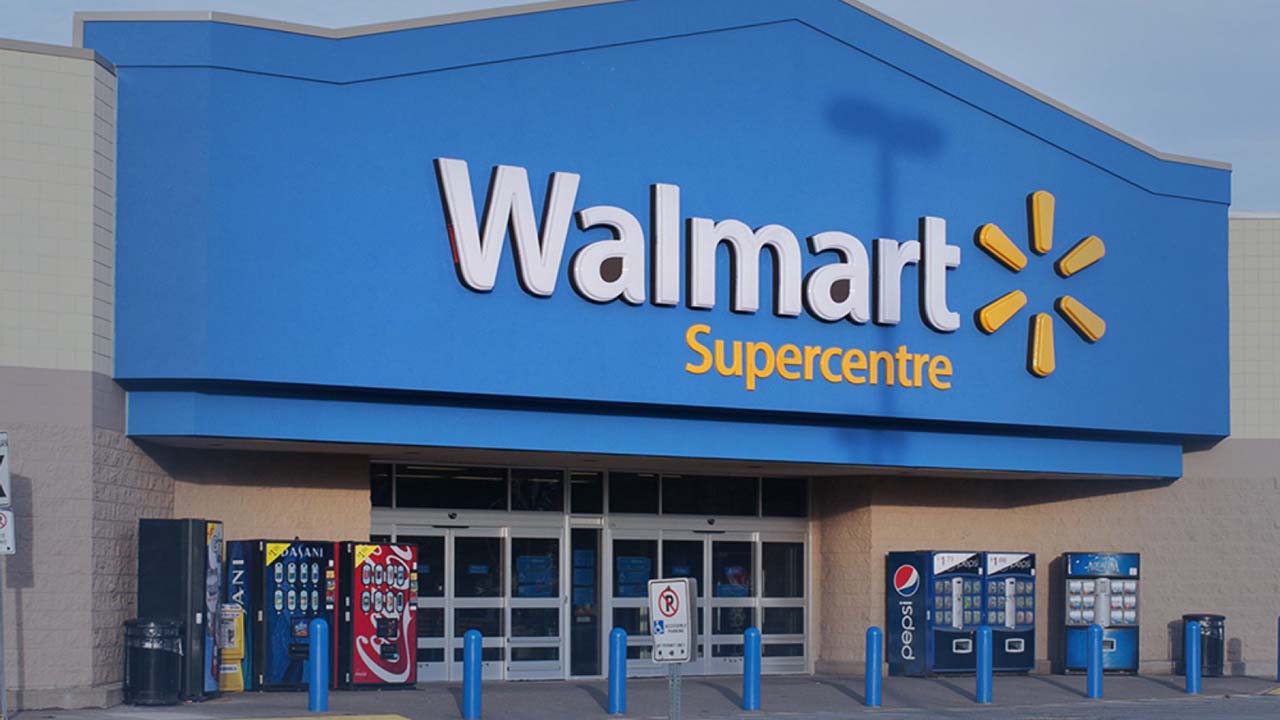
Yesterday, Walmart announced it will reduce its gun and ammunition sales, one month after more than 20 people were killed in a mass shooting at one of its retail locations in El Paso, Texas. Walmart also pressured Congress to enact gun safety measures.
I wrote an essay about a year ago about “Brand Bravery as a Go-to-Market Strategy” in it, I examined the marketer’s argument for brand bravery: “According to a Shelton Group study, 86% of consumers believe companies should take a stand for social issues, and 64% of those consumers are “very likely” to purchase from a company that makes that pledge. These people (dubbed “Corpsumers”) make up about one-third of the market, according to a Unilever study. Even for those who don’t speak with their wallets, corporate impact does not go unnoticed; 92% of consumers say they have a more positive image of a company when the company supports a social or environmental issue, according to a 2017 Cone Communications study, and 78% of Americans believe companies must positively impact society.”
Kudos to Doug McMillon (Walmart’s CEO) and his team for showing us what purpose-driven corporate leadership looks like.
Author’s note: This is not a sponsored post. I am the author of this article and it expresses my own opinions. I am not, nor is my company, receiving compensation for it.
About Shelly Palmer
Shelly Palmer is the Professor of Advanced Media in Residence at Syracuse University’s S.I. Newhouse School of Public Communications and CEO of The Palmer Group, a consulting practice that helps Fortune 500 companies with AI strategy, implementation and governance, as well as technology, media and marketing. Named one of LinkedIn’s Top Voices in Technology, he is a bestselling author, covers tech and business for Fox 5’s Good Day New York, is a regular commentator on CNN, and writes the popular daily business blog Think About This. Follow @shellypalmer or visit shellypalmer.com.